Basement Floor Epoxy · Rancho Cucamonga

Basement Floor Epoxy in Rancho Cucamonga, CA

We read the slab's moisture before we pick a coating, so the floor we pour in your Rancho Cucamonga basement holds tight instead of peeling at the walls.

1-2 days installs · typical timeline
Free Quote

Free Basement Floor Epoxy quote.

We reply within 1 business hour. No spam, ever.

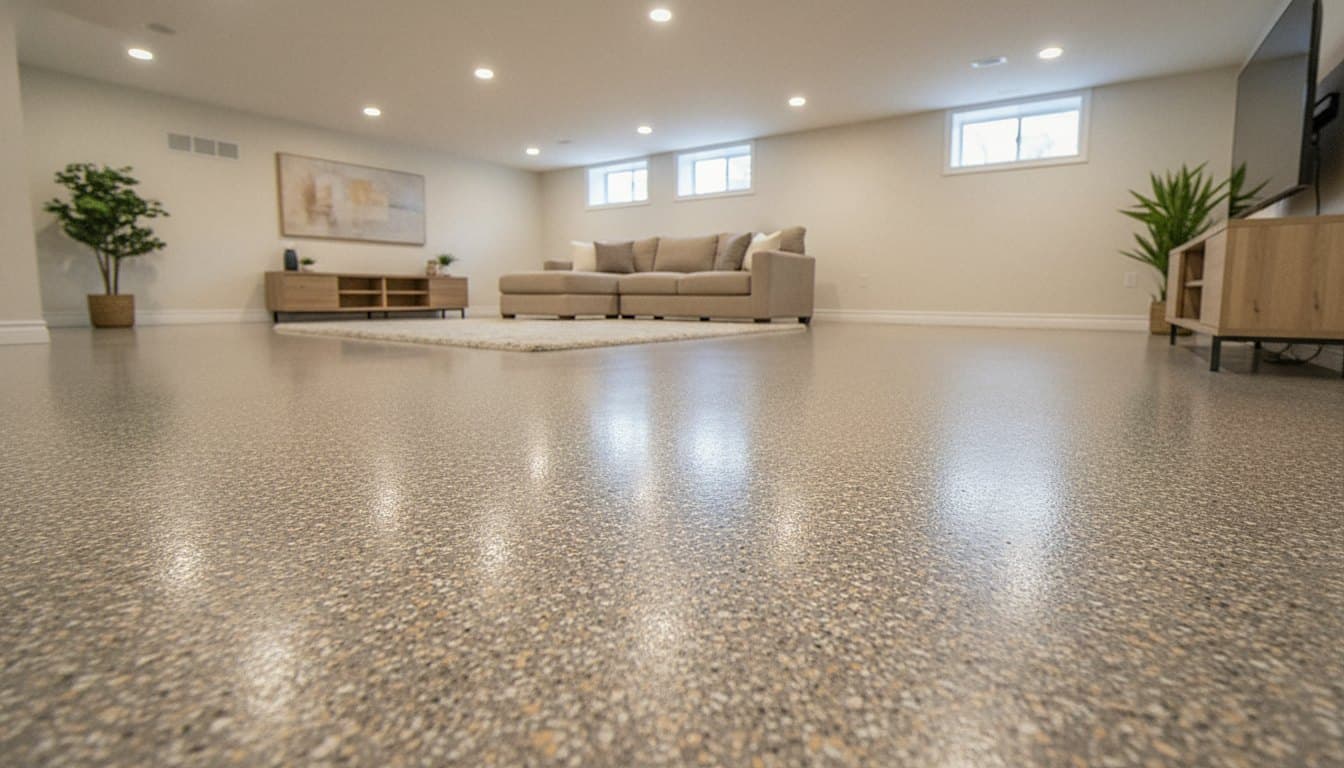
Finished basement with dark flake epoxy floor
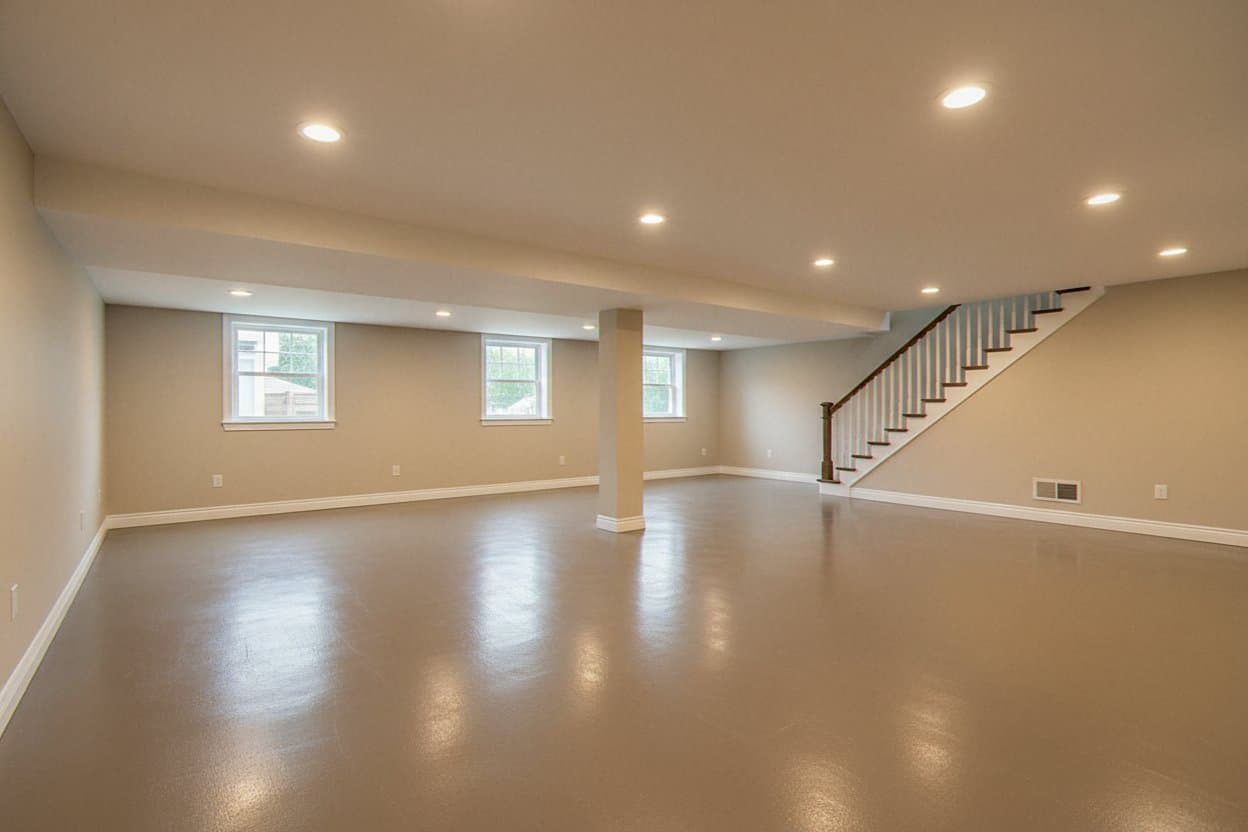
Wide basement room with charcoal flake epoxy coating
Flake epoxy surface detail in a finished basement
What we install

Why most basement coatings fail in the first damp season

A basement slab sits against the soil, and that soil holds water long after the surface looks dry. The concrete wicks that moisture upward as vapor, day after day. Lay the wrong coating over it and the vapor has nowhere to go, so it pushes the film loose from underneath. You see it first as a soft spot near the wall, then a peel, then a chalky white bloom where the bond let go. We have lifted enough failed floors across the Inland Empire to know the pattern cold. The coating did not fail. The reading nobody took did.

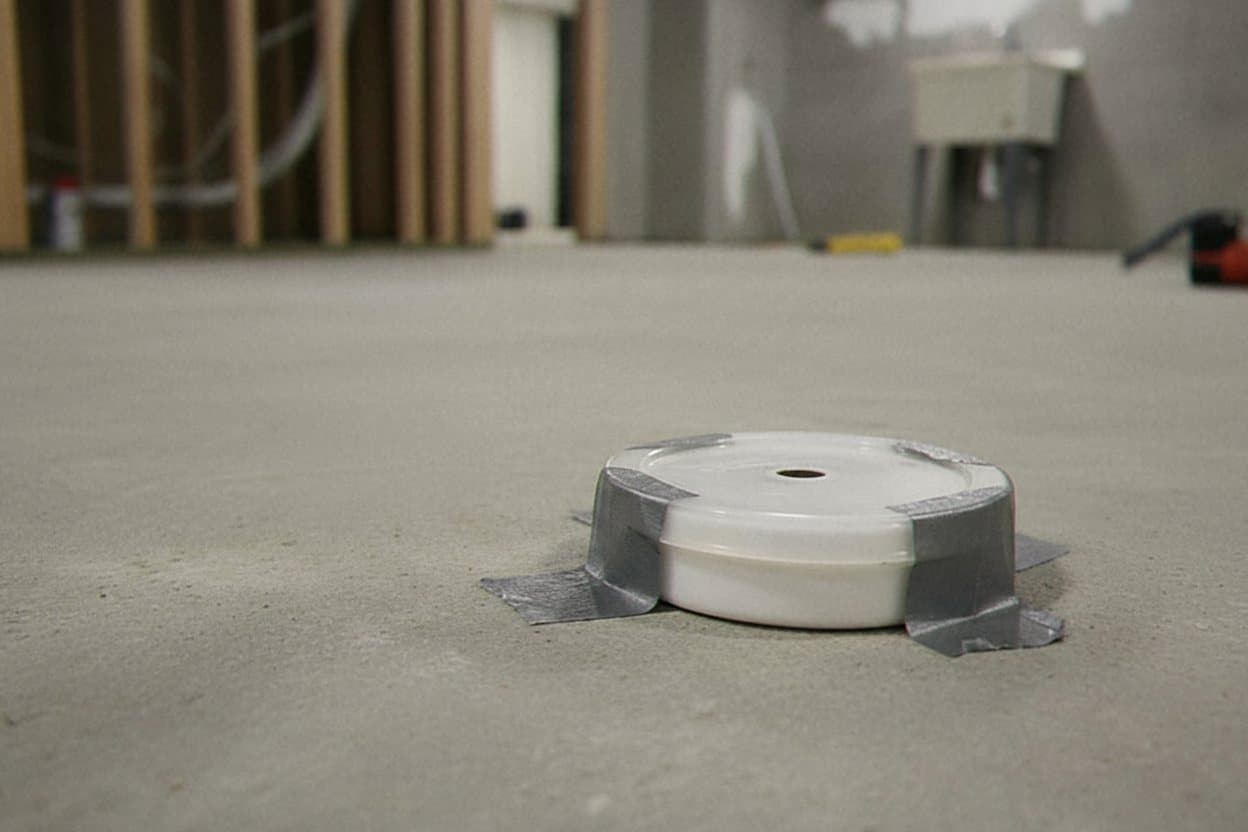
So we start with the slab, not the sales pitch. A calcium chloride disc or a relative humidity probe tells us how hard the concrete is driving moisture, and that number decides the whole system. A dry slab takes a standard epoxy build. A wetter one needs a vapor mitigating primer first, a layer that bonds tight and slows the vapor to a crawl before any color goes down. Skip that step on a damp Rancho Cucamonga basement and you are repainting the same floor in a year. Take the reading and the floor stays put.

  • A vapor reading drives the primer choice, so the system matches your slab instead of guessing.
  • A light or warm base coat throws ambient light back into a room that usually feels dim.
  • The polyaspartic topcoat keeps its grip under furniture, gym gear, and pet paws.
  • You walk on it the same evening, and furniture comes back the next day.
  • We set up exhaust fans and run dehumidifiers, which pulls the cure odor out of the air before the crew heads home.
The slab is the patient. The coating is the prescription. Both have to match.

Most basement floors across Rancho Cucamonga wrap inside one working day. That holds for the older homes near Alta Loma. It holds for the custom builds up in the Etiwanda foothills. It holds for the rare finished lower level over by Victoria Gardens. A second day only comes up when the slab needs real crack repair first. The best way to quote a basement is in person, with the moisture number already in hand. Anyone who prices one over the phone is guessing at the part that matters most.

If your Rancho Cucamonga basement has a floor you would rather not look at, call us. We will take the moisture reading, show you the number, and lay out the system that fits it. No runaround, and no coating poured over a question mark. Just a straight read of the slab and a floor that stays down.
Materials

A basement system is not a garage floor in lighter pigment

A garage floor answers to tires. A basement floor answers to vapor. So we build the two systems in different ways, right from the primer up. In a garage the enemy is hot tire pickup and dropped tools. Below grade the enemy is moisture. It pushes up out of the soil every hour of the day. That is why a basement build leads with a reading and often a vapor mitigating primer. The color and flake then ride on top of that base, not on raw concrete.

Once the moisture is handled, the finish is yours to shape. A bright neutral base lifts a low room, a warm tone makes a den feel done, and a partial flake broadcast adds grip without the dense pattern a garage wants. The clear polyaspartic on top seals the surface, shrugs off the odd spill, and holds its color even where a window well lets afternoon sun reach the floor. Pick the look first, then we tune the system under it.

  • The moisture number picks the primer, not the installer's gut.
  • A bright neutral base coat brightens the room instead of darkening it.
  • A partial flake broadcast adds grip without the dense garage pattern.
  • The polyaspartic topcoat seals humidity out and stays clear under a window well.
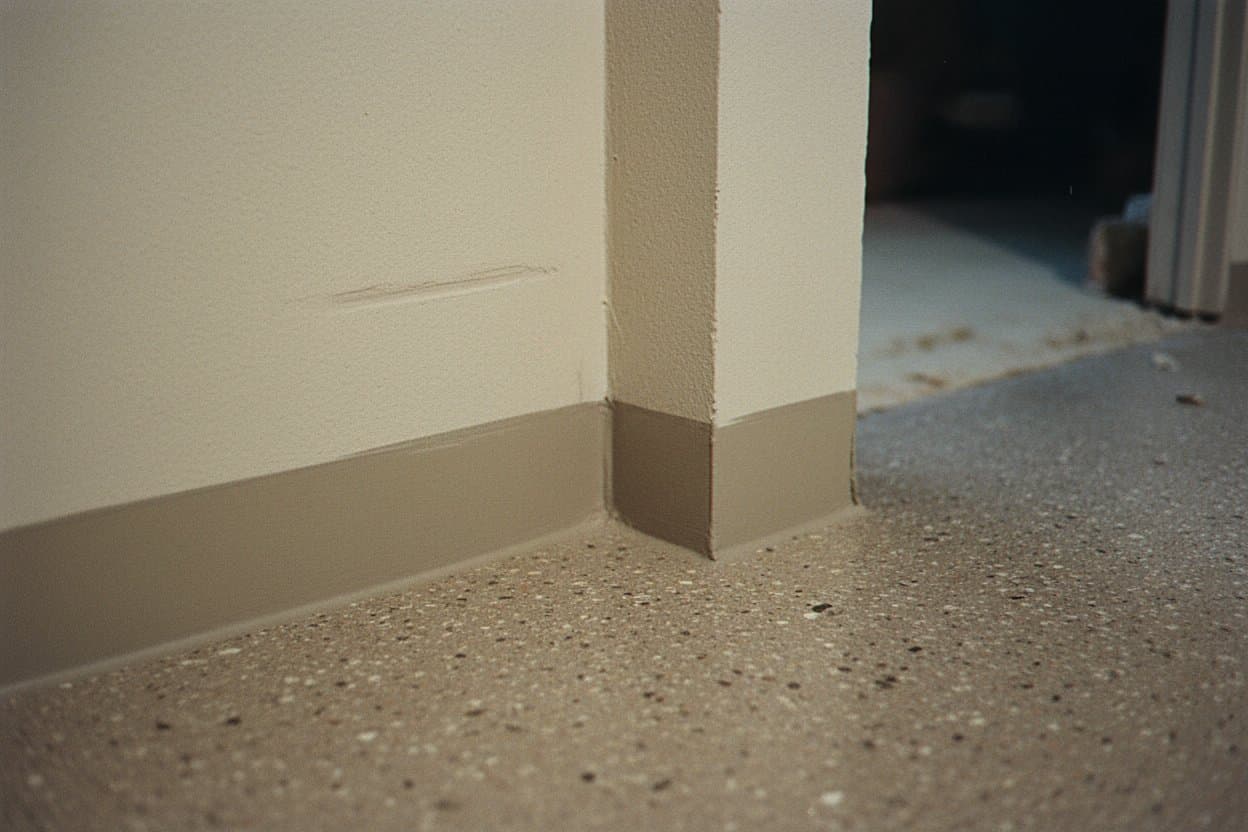
Coved floor edge where flake meets a basement wall
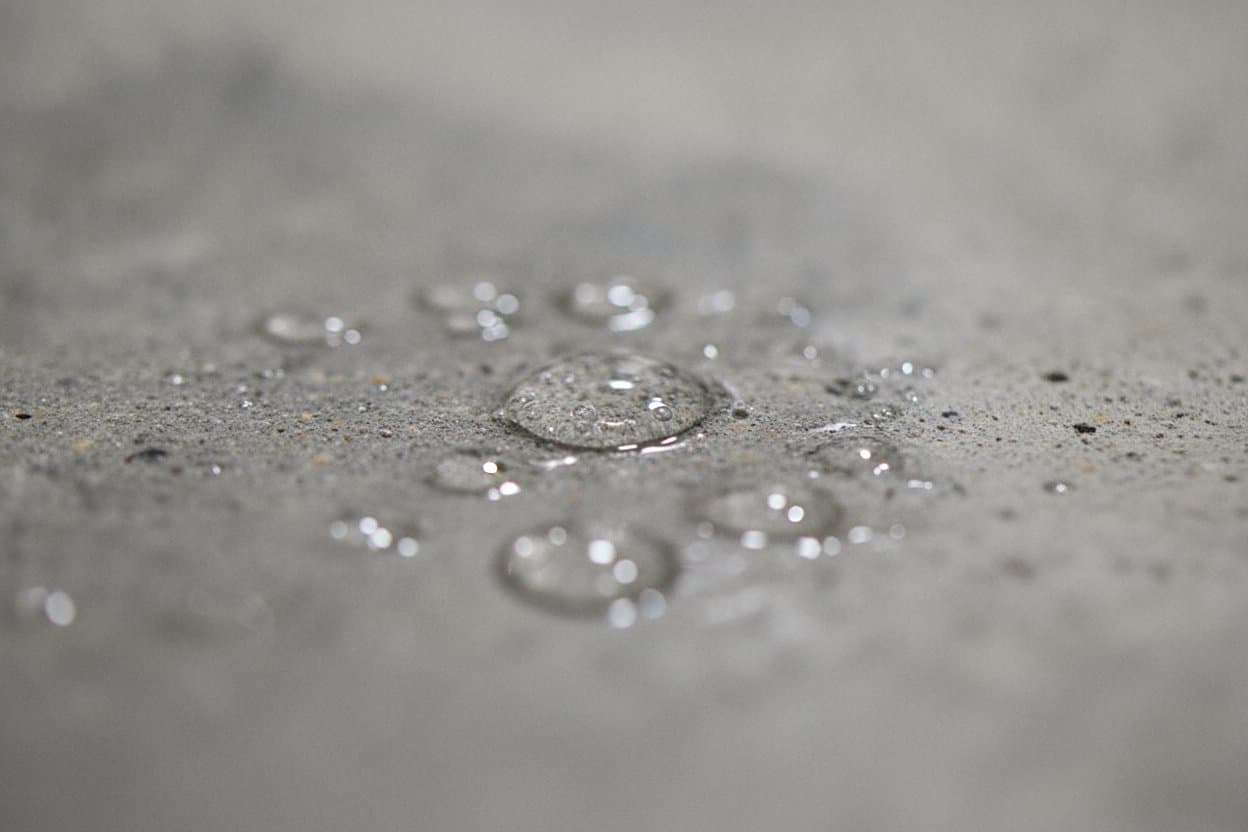
Moisture test disc taped to a bare basement slab
What about the alternatives?

Other basement floor approaches and how they hold up here

Plenty of products promise a finished basement floor. Here is how the common ones behave once vapor from the slab goes to work on them.

Concrete paint or stain

The cheapest cosmetic pass, and the shortest lived. It lifts at the walls and around any floor drain inside one wet season, because nothing under it stops the vapor.

Skip

Peel and stick vinyl plank or tile

It looks fine the week it goes down. Moisture from the slab loosens the adhesive from below, the edges curl, and the seams trap a musty smell you cannot air out.

Skip

Modular carpet tile

A reasonable pick over a proven dry slab, since you can pull and replace a single tile if one gets wet. Over an untested slab it just hides the moisture until it starts to smell.

Acceptable

Engineered wood on sleepers

Warm underfoot and pretty in a photo, but wood and a damp basement slab are a bad pairing. The sleepers wick moisture, the boards cup, and the repair is a teardown.

Skip

Vapor mitigating epoxy with a polyaspartic topcoat

The system we install. The primer answers the moisture reading, the body coat carries the color, and the polyaspartic seals it, so the floor stays put and bright.

Recommended
How it goes

From quote to walk-on, fast.

01

Your inquiry

Call or send the short form with what is going on at your place. A sentence or two is plenty for the first step.

02

We talk it through

We go over the situation on the phone, ask the questions that matter, and tell you what we would do next.

03

A clear plan

You get a plain-language rundown of the work, the order it happens in, and what to expect on the day.

04

The work gets done

Our crew shows up when we said, does the job, and walks you through the result before leaving.

Before you book

Questions to ask before signing a basement quote

A basement quote is only as good as the slab read that sits behind it. These are the questions that separate a real plan from a hopeful one.

Does the quote include the actual vapor reading?
It should, in writing. We tape down a calcium chloride disc or set a humidity probe, leave it the required time, and read it before we price a thing. A bid with no moisture number is a guess, and on a basement the guess is the expensive part. Ask for the figure, then make sure the system on the quote actually matches it.
How long is the cure smell going to last in the house?
Less than most people expect when the crew vents it right. We run exhaust fans to the outside during the install. We add dehumidifiers too. So the air clears within the day instead of hanging in the stairwell for a week. A polyaspartic topcoat also flashes off faster than an old solvent finish, which keeps the smell short.
What if there is standing water or a coating that already failed?
We deal with both before any new product goes down. Standing water means we find the source first. It might be a grading issue, a cracked drain, or irrigation set too close to the foundation. A failed coating gets ground off to sound concrete. That way the new system grips the slab, not somebody else's mistake.
How does the grinding dust stay out of the rest of the house?
Diamond grinding throws fine concrete dust, so we plan for it from the start. We run the grinder with a vacuum shroud right at the head. That feeds into a HEPA extractor. We also seal the basement door off from the house with plastic and tape during the dusty steps. Without that, the dust rides the return air and settles on every surface upstairs.
When can the furniture come back down?
The next day in most basements. You can walk the floor the evening we finish, and the polyaspartic is ready for furniture and storage roughly a day later. Heavy shelving and gym equipment we tell you to wait the full cure on, which we spell out at the visit so nothing goes back too soon.
Aftercare

Keeping a finished basement bright across the years

A coated basement floor is easy to live with, which is the whole point. The sealed surface does not soak up spills, so there is no grout to scrub and no carpet to dry out. A weekly sweep and the occasional damp mop is most of the job. The rest is just watching the few things that age any floor and handling them early.

  • Sweep or vacuum once a week. Fine grit acts like sandpaper if it grinds underfoot.
  • Wipe spills when you see them. The coating is sealed, so nothing soaks in, but a puddle left for days can dull the gloss.
  • Use a soft mop and plain warm water for the regular clean. Harsh stripper is never needed and can haze the finish.
  • Put felt pads under shelving and bench legs so dragging metal does not score the surface.
  • Keep an eye on the moisture source. If irrigation or a downspout starts wetting the foundation, fix it early so the slab below stays calm.
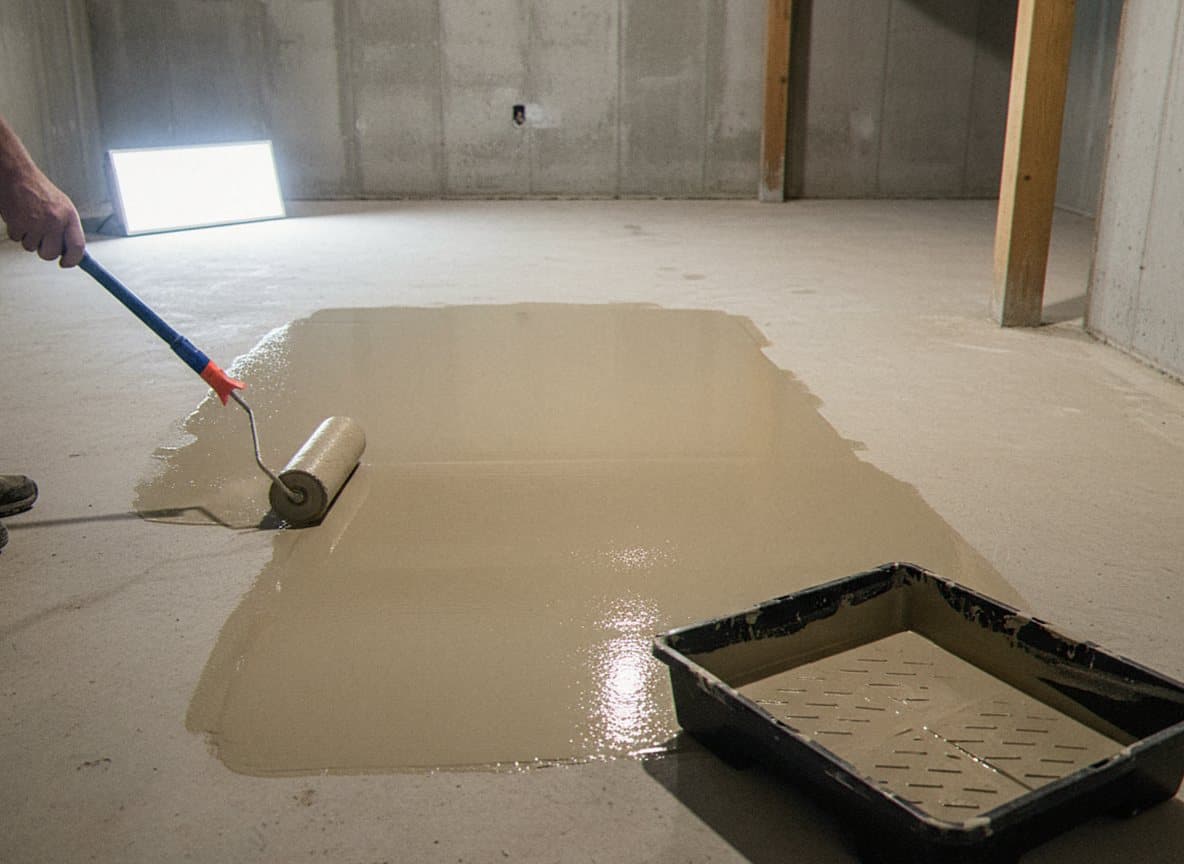
Primer coat rolling across a raw basement floor
FAQ

What Rancho Cucamonga owners ask about basement coatings

How long should a solid epoxy garage floor last in the Rancho Cucamonga heat?
A good epoxy garage floor lasts for many years. The dry heat we get in Rancho Cucamonga is far gentler on a coating than the freeze and thaw swings that wreck floors in colder states. Hot tires and grit cause most of the wear. We grind the slab down to bare concrete first, so the epoxy flooring bonds tight and keeps holding up for the long haul.
What separates epoxy from polyaspartic, in practice?
Both are tough coatings, but they cure at very different speeds. Polyaspartic sets fast. A floor coated with it can be back in use the same day, which is a real plus when a garage cannot sit empty for long. Epoxy builds a thicker, richer base and needs more time to harden. On a lot of our jobs we lay epoxy as the base and finish with polyaspartic on top, so you get the strengths of each.
How are coating jobs typically priced in this market?
Two things set the price. The first is the size of the floor, and the second is how much prep the slab needs before we can coat it. A clean, sound slab takes less work than one full of cracks, oil stains, or old peeling paint. Finish matters too, since flake and metallic styles add extra steps. We measure the space, look the concrete over, and walk you through the epoxy flooring numbers before any work begins.
Are winter installs realistic in southeast the local climate?
Yes. Winter is a fine time to coat a floor here. Rancho Cucamonga stays mild through the cooler months and almost never drops to a hard freeze, so the slab holds the steady temperature a coating needs to cure. We keep coating garages and patios right through the season. The drier winter air can even help the finish set on schedule.
Will the floor pick up or stain under hot tires?
A floor that was cured the right way shrugs off hot tires with no trouble. The problem people run into is called hot tire pickup, where a cheap film peels away when warm rubber sits on it. We head that off with full grinding and a proper cure window. Oil, brake dust, and road grime wipe right up, so the epoxy flooring keeps its color and shine.
Ready when you are

Let's make your next steps easier

Tell us what is going on at your Rancho Cucamonga home and we will walk you through the options. One call or one short form is all it takes.

Call (909) 404-9997Make your inquiry
CallContact us