Polyaspartic and epoxy are not the same product
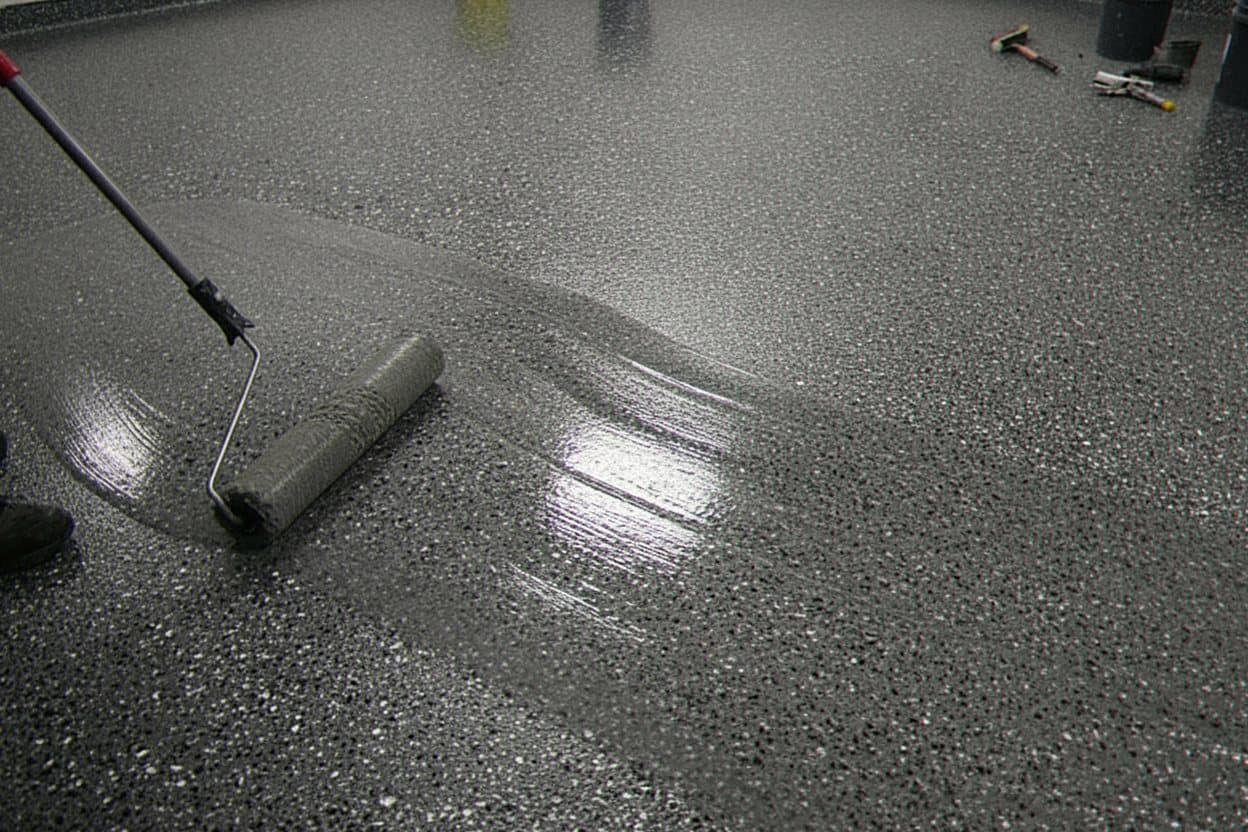
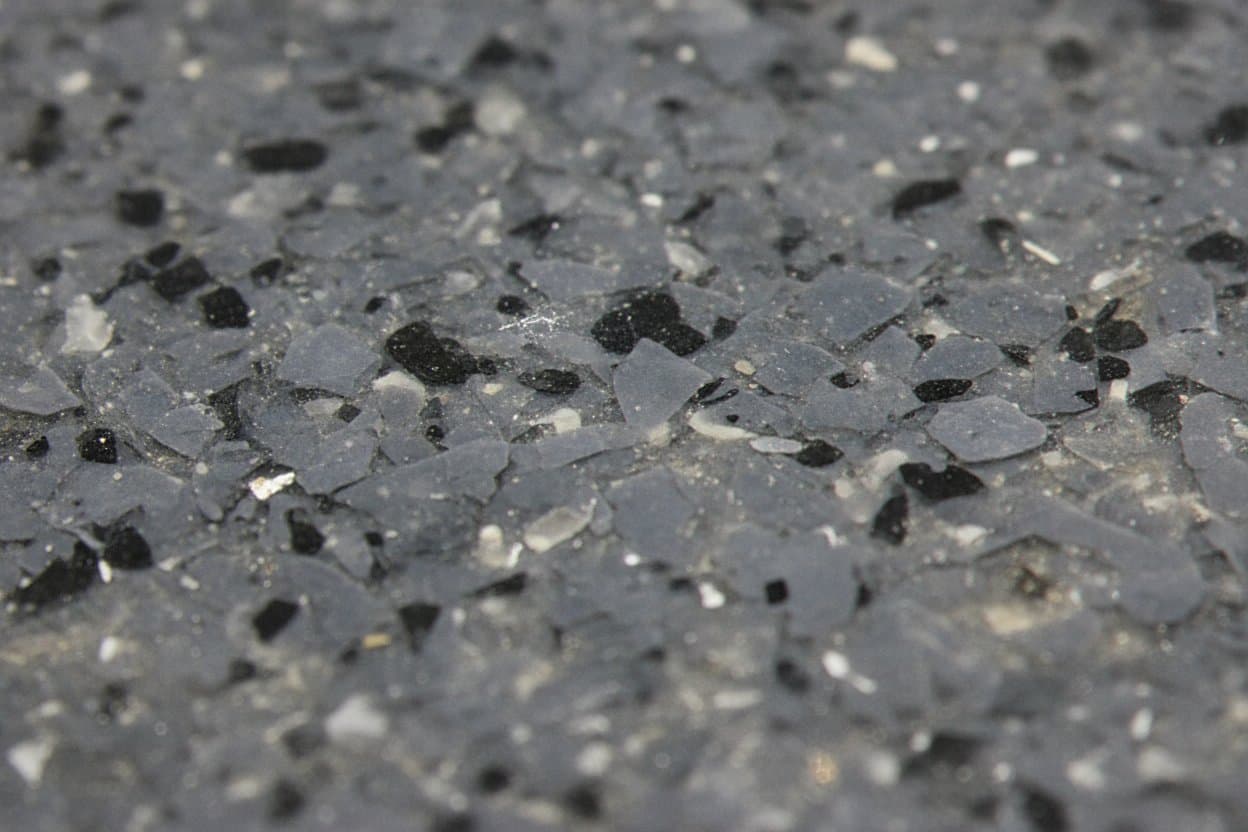
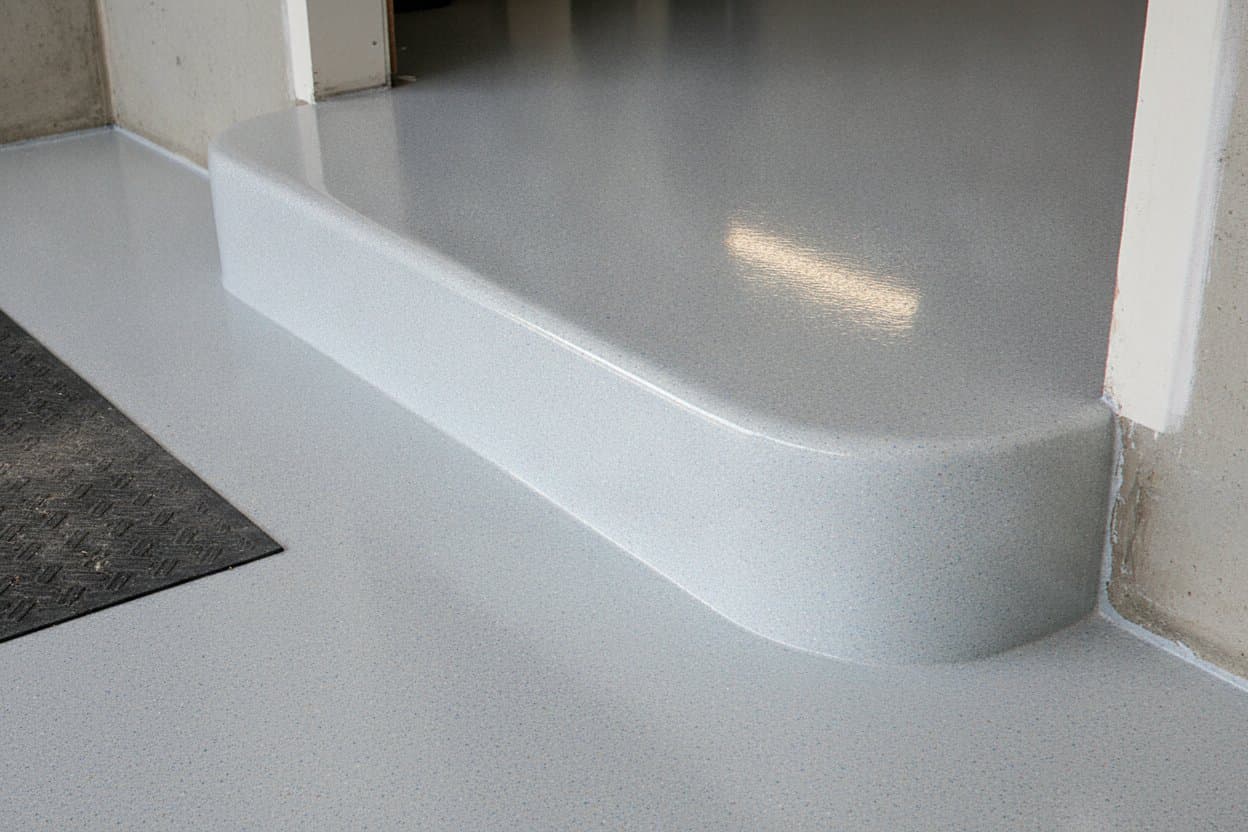
Polyaspartic is a coating in its own right. People call any clear floor coat epoxy, but that is loose talk. Epoxy is the base. It is the layer that bonds to the slab and carries the floor color and the flake, while polyaspartic goes on top of that base as a clear shell that takes the daily wear so the color below stays safe and bright for the long haul. We reach for it on most Rancho Cucamonga garages because it fits how the sun and heat behave out here.
The big split is sunlight. Plain epoxy ambers when it sits in the sun, and across a few short years that clear coat slowly turns yellow, cloudy, and dull until the floor below looks tired and faded even though nothing is wrong with it. Polyaspartic does not do this. It holds its tone in full sun, which matters a lot across the Inland Empire. A garage with the door open all afternoon still bakes. Our crew leans on polyaspartic whenever a floor will see that kind of light.
- Cures in about two hours, so the floor is back in use the same day.
- Holds its clear tone in direct sun and will not yellow like plain epoxy.
- Sheds road salt, oil, and brake dust with a quick mop.
- Bonds chemically with the epoxy underneath. No weak plane between the layers.
- Stays flexible when the slab heats up, so it will not crack in a hot garage.
Heat is the other reason we reach for it. A closed garage in Fontana or Ontario can run warm well into fall, and the slab inside swells a little when it heats and then shrinks back down once the night air cools it off again. A brittle top coat fights that motion and chips at the edges. Polyaspartic flexes with the slab, so it stays put. That is why we treat it as the daily driver coat, not a luxury extra.
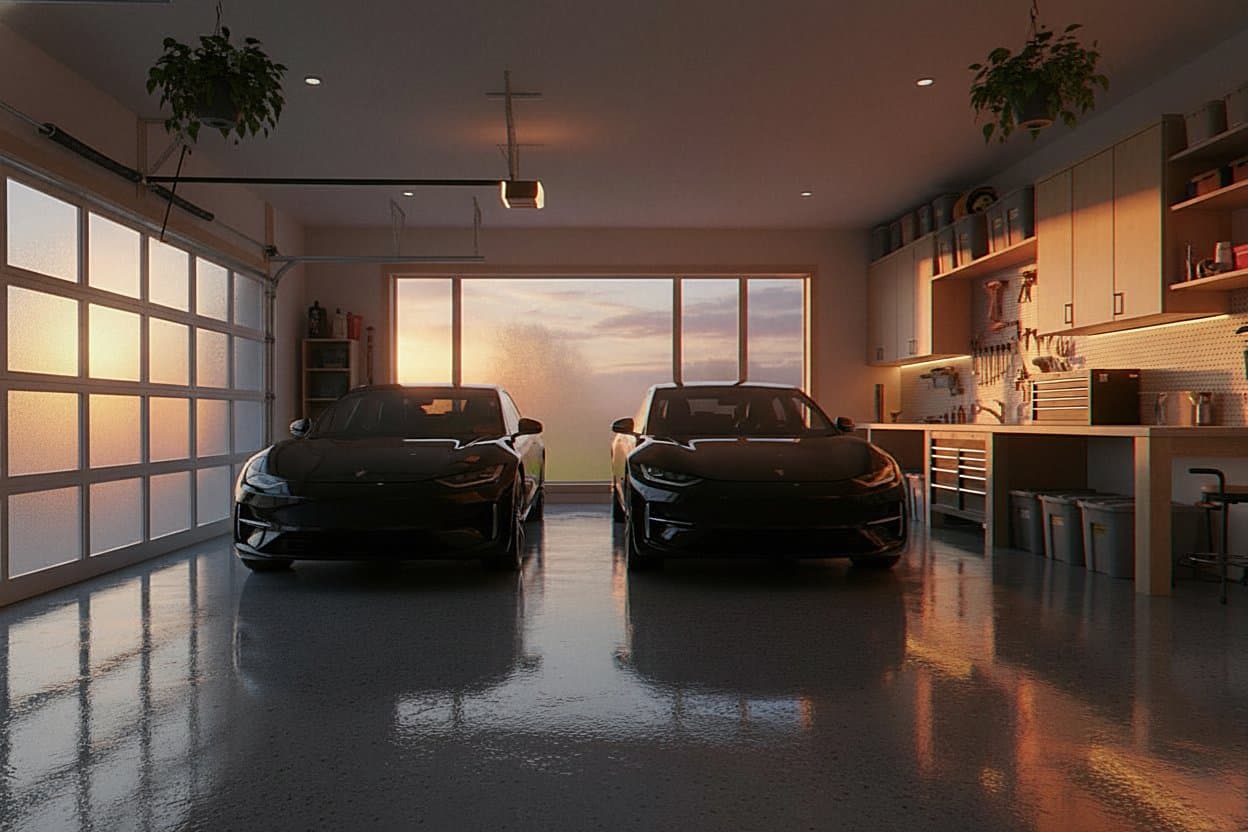
If you want a garage floor that keeps its shine through years of valley sun, polyaspartic is the coat we steer most Rancho Cucamonga jobs toward. Call us and tell us about your slab. We will walk you through what makes sense and set a date that works.